

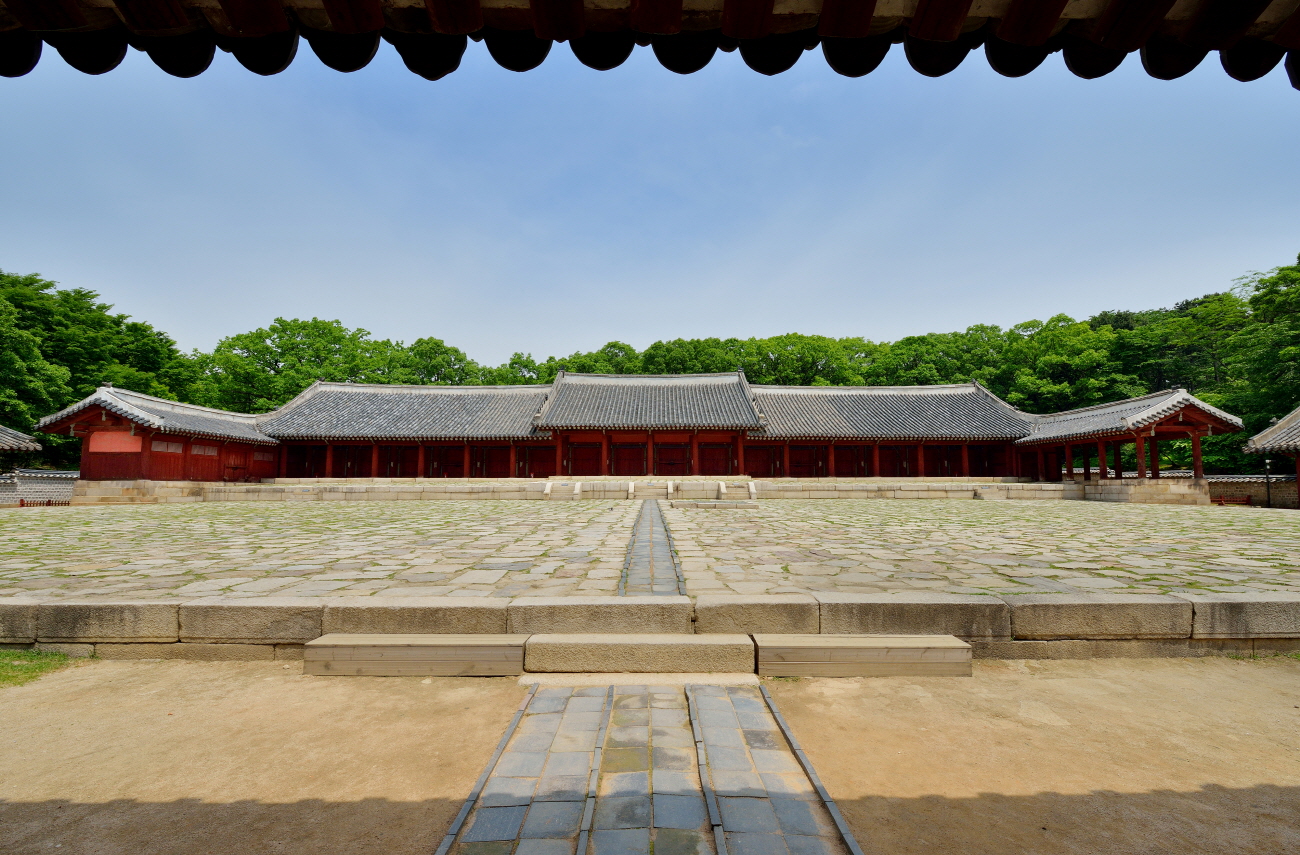
[트래블아이=최치선 기자] 오세훈 시장이 폭주하고 있다. 한강, 광화문에 이어 이번엔 종묘다. 서울의 종묘(宗廟)는 조선 왕조의 역사를 품은 핵심이자, 유네스코 세계문화유산으로 지정된 귀중한 유산이다. 수백 년 동안 이어져 온 전통 의례, 조용한 숲길, 정제된 조형미는 서울을 찾는 국내외 여행자들에게 한국의 깊은 정체성과 정신을 체감하게 한다. 그런데 지금, 오세훈 시장이 추진하는 세운4구역 고층빌딩 개발은 이 상징적 장소에 심각한 위협이 되고 있다.
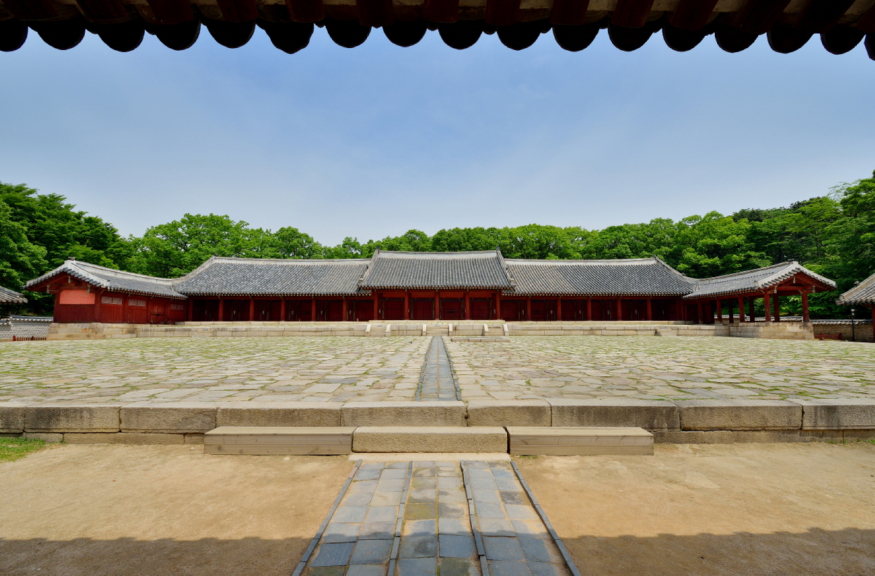
서울시는 최근 세운상가 재개발 계획에서 세운4구역의 높이 제한을 기존 55미터(종로 쪽), 71.9미터(청계천 쪽)에서 각각 101미터와 145미터(41층 규모)로 대폭 완화했다. 이 결정은 수년간 문화재위원회와의 합의로 정해졌던 보존 수준을 완전히 뒤집는 것이다. 유네스코는 즉각 강한 우려를 표명하며, 세계유산 영향평가(HIA) 실시와 개발 승인 보류를 요청했다.
문화재 전문가들도 비판의 목소리를 높이고 있다. 한국문화재청 산하 자문위원회는 “서울시의 높이 상향은 사회적 합의를 무시한 개발 편향”이라면서, 원래 2018년 협의된 보존 기준(55m, 71.9m)을 일방적으로 뒤집은 것은 문화 유산에 대한 존중보다 개발을 우선시한 것이라고 지적했다.
더욱이 한국유산청(KHS)의 허민 청장은 “가능성은 제로가 아니며, 이대로 간다면 종묘의 유네스코 등재가 취소될 수도 있다”고 경고했다. 이는 단순한 ‘풍경 변화’ 우려를 넘어, 국제적 약속과 서울의 문화 브랜드 자체를 위태롭게 하는 사안이라는 의미다.
유엔(UNESCO) 측은 또한, “유산의 핵심가치를 훼손할 가능성”에 대해 공식 서한을 보내 보존 조치를 촉구함과 동시에, 만약 상황이 악화하면 ‘위험 유산(heritage in danger)’ 등재 가능성도 열어두겠다는 입장을 밝혔다. 이는 과거 독일 드레스덴 엘베 계곡이 교량 건설로 유네스코 지위를 박탈당한 사례를 상기시키는 심각한 경고다.
그럼에도 오세훈 시장은 이 개발을 밀어붙인다. 그는 “재개발을 통한 녹지축 조성”과 “세운4구역의 낙후된 구조를 혁신”하겠다는 구상을 제시하며, 이 사업이 종묘에도 이익이 될 것이라 주장한다. 그러나 이 논리는 쉽사리 설득력을 얻기 어렵다. 실제로 유네스코 권고와 전문가 반대가 절박한 수준임에도, 시는 철저한 영향평가를 회피하거나 “법적 근거가 부족하다”는 이유를 들어 평가 자체를 주장하지 않는다.
국내외 비판에도 불구하고 시가 고층 개발을 밀어붙이는 데에는 경제적 이해관계와 정치적 야심이 얽혀 있다는 의문이 짙다. 세운상가 지역은 개발 잠재력이 매우 큰 곳이며, 고층빌딩은 토지 가치와 부동산 수익을 극대화할 수 있다. 동시에 오세훈 시장 입장에서는 ‘도시 재생’이라는 명분 아래 대규모 개발 성과를 정치적 레거시로 남길 기회가 될 수 있다.
한편, 해외 사례는 경고를 뒷받침한다. 예컨대 독일의 드레스덴 엘베 계곡은 2009년 고속도로 교량과 개발로 인해 유네스코 지위가 박탈된 바 있다. 이는 역사적 경관에 대한 압박이 단순한 도시문제가 아니라 국제적 책임으로 이어질 수 있음을 보여주는 전형적인 사례다.
서울이 정말 “역사와 미래가 공존하는 도시”라면, 종묘 앞 개발은 신중하고 책임 있게 다뤄져야 한다. 유네스코의 권고, 전문가의 경고, 시민의 목소리를 무시한 단독 질주는 ‘혁신’이라기보다는 위험한 도박에 가깝다. 오세훈 시장이 이 계획을 밀어붙이는 진짜 이유가 무엇인지, 그리고 그의 결정이 서울의 국제적 유산 브랜드를 어떤 모습으로 남길지를 깊이 묻지 않을 수 없다.
[Desk Column] Jongmyo Shrine’s High-Rise Threat... Mayor Oh Se-hoon’s Gamble with Seoul’s Heritage
Jongmyo Shrine in Seoul is not just another historic site — it is a living testament to Korea’s royal past, a Confucian sanctuary where spirit tablets of Joseon kings and queens remain enshrined, and a UNESCO World Heritage Site recognized for its outstanding universal value. For international visitors, it represents both architectural serenity and cultural depth, offering a rare window into Korea’s royal rites and spiritual tradition.
Yet today, Jongmyo is under threat. The Seoul Metropolitan Government has revised zoning rules in the Sewoon District 4, allowing building heights to rise dramatically — from 55 meters to 101 meters on one side, and from 71.9 meters up to 145 meters on the side facing Cheonggyecheon.
This unilateral decision has alarmed heritage authorities. The Korea Heritage Service (KHS) describes the move as a blatant disregard for social consensus and the result of development interests being given priority over preservation.
More seriously, UNESCO itself has intervened. The organization has called on Seoul to suspend approvals for these skyscrapers and conduct a full Heritage Impact Assessment (HIA), warning that such high-rise development could damage the visual integrity and spiritual landscape of the shrine. The International Council on Monuments and Sites (ICOMOS), UNESCO’s advisory body, echoed that call in a strongly worded letter.
Heritage experts have raised the stakes even higher: Huh Min, head of the KHS, publicly warned that if this project proceeds unchecked, Jongmyo’s UNESCO status could be revoked. He made it clear: this is not just about shadows or skyline — the very legacy passed to future generations is at risk.
The controversy has even reached the country’s highest court. On November 6, 2025, South Korea’s Supreme Court upheld a municipal ordinance that weakened development restrictions near Jongmyo, effectively greenlighting the skyscraper plan. The ruling drew sharp criticism: Culture Minister Chae Hwi-young called the decision “absolutely unacceptable,” warning that Seoul’s heritage could be compromised for the sake of construction profits.
So why is Mayor Oh Se‑hoon pushing so hard for this redevelopment, despite fierce domestic and international opposition? Officials argue that Sewoon District is long-neglected — filled with aging buildings and economic stagnation — and that taller buildings will enable true urban renewal. But critics are unconvinced: With the height limits nearly doubled, some see this as a political gamble or even a legacy project, not just urban revitalization. The scale of the change strongly suggests more than just upgrading — it hints at maximizing land value under the cover of “regeneration.”
From the viewpoint of foreign visitors, the implications are grave. Many international travelers come to Jongmyo expecting a sacred, quiet space — a place where the past is preserved, not overshadowed by modern high-rises. If Seoul allows these skyscrapers to rise, it risks transforming part of Jongmyo’s world‑heritage aura into a backdrop for commercial towers. This could disrupt not only the physical harmony of the site, but also the emotional and cultural resonance it holds for visitors.
Seoul faces a choice: either double down on development with short-term gains, or honor its global commitment to heritage and preserve one of its most sacred landmarks. If Mayor Oh truly cares about Seoul’s future, he must reconsider. The question is not just how tall buildings can be, but what kind of legacy the city wants to build — concrete towers, or centuries-old reverence.